The Full Story
Remember the neighbour who told you to get off the pavement? You thought they were a pain. For most of this country's history, people like that were the government.
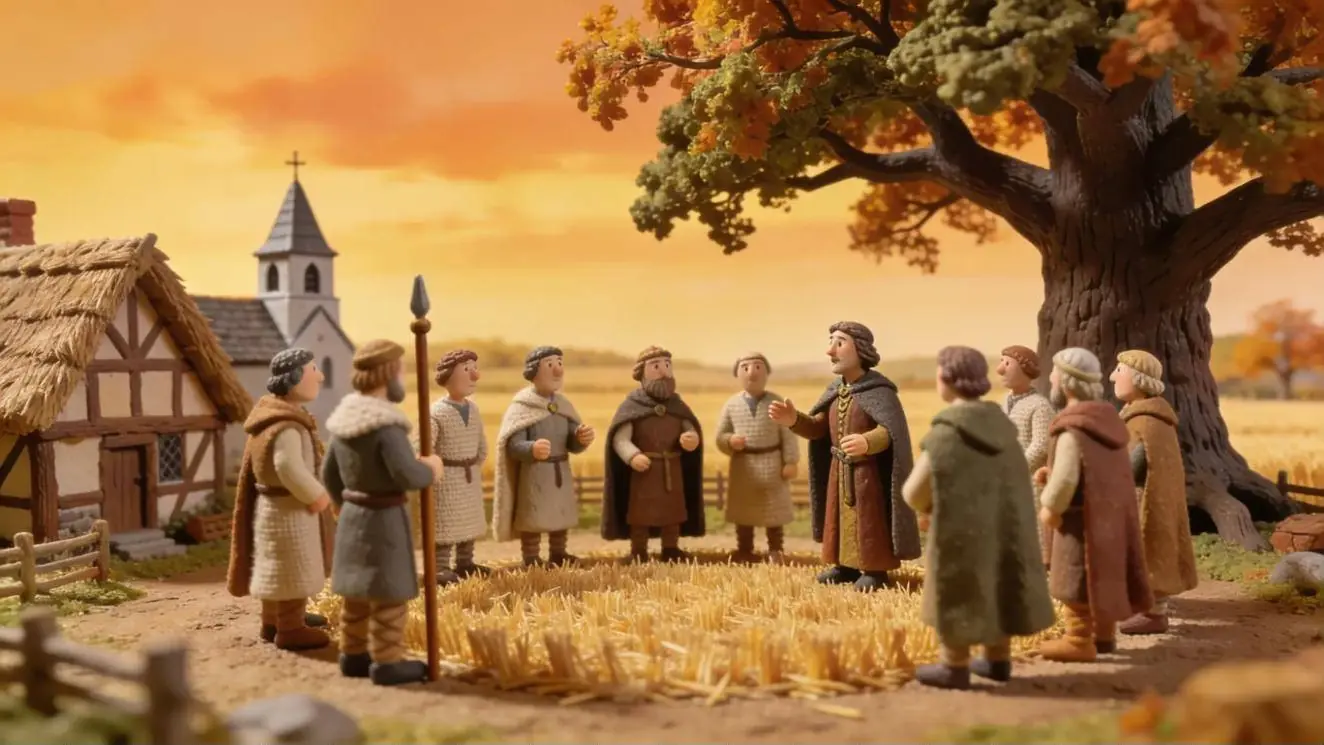
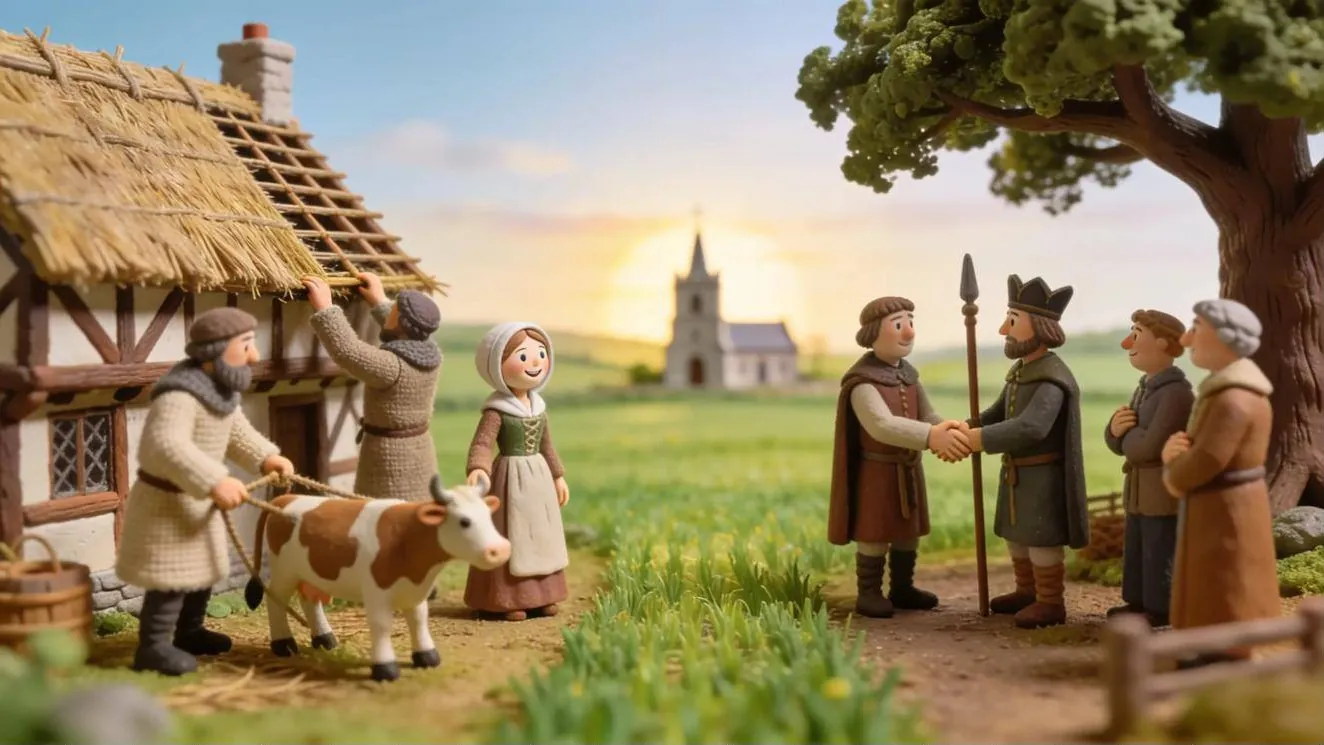
Many countries were run from a palace down. England, joined later by Wales, was largely run from the street up. Ordinary people policed, judged and looked after their own communities, mostly unpaid, long before there were paid officials to do it for them.
It started with the tithing. In the south and south-west of England a tithing was a group of ten householders, bound to answer for one another. Under the laws of King Cnut, around 1020, every man had to belong to a hundred, a local unit that stood surety for good behaviour. If your neighbour stole, you answered for it. If your neighbour was robbed, you went after the thief.
Then came the constable. Not a professional. A parishioner, originally elected by his neighbours, usually serving for a year. The office was part-time and usually unpaid. It was often a burden. He took offenders to court, kept the stocks, read the Riot Act and rounded up stray animals. When a crime was committed, the Statute of Winchester of 1285 expected the whole community to raise the hue and cry and give chase.
The parish looked after its own. Under the Poor Relief Act of 1601, every parish was responsible for its own poor. Local people paid a poor rate. Local overseers collected it, men who knew the families in need by name.
Above them sat the justice of the peace. Not a judge sent from London. A local man of standing, usually from the gentry, given the job of keeping the peace in his own county. The title dates from 1361. The office was unpaid, taken on voluntarily, sometimes for the honour of it.
Even the army answered to the people's representatives. The Bill of Rights of 1689 declared that keeping a standing army in peacetime without the consent of Parliament is against the law. That consent still has to be renewed. Parliament passes an Armed Forces Act every five years. Both Houses approve its continuation in the years between.
Parliament itself grew from the same local roots. By 1295 each county sent two knights of the shire. Each borough sent two burgesses. Their first great job was to agree, or refuse, the taxes the Crown asked for. The Bill of Rights made it law: no money for the Crown without a grant from Parliament.
It has not stopped. More than 12,000 people volunteer as magistrates in England and Wales today. They are unpaid. They sit in local courts, hearing cases from their own community. Almost every criminal case starts in front of them. About 95 per cent finish there. The neighbour who takes in your bins is part of this. So is the one who checks on the house with the curtains still drawn at noon. It isn't nosiness. It is a thousand-year habit of keeping each other honest.
Why This Matters
We tend to picture government as something done from Westminster. For most of its history, England was governed from the parish. Tithings, constables, overseers and justices did the work of a state long before there were paid officials to do it. Almost all of them were local. Most were unpaid. That habit shaped a lasting idea: power should sit close to the people it affects and answer to them. It survives in every volunteer magistrate who sits today.
Key Facts
- ✓A tithing was an association of ten householders, found in the south and south-west of England, bound by mutual responsibility to keep the peace (Britannica)
- ✓Parish constables were originally elected by parishioners. The office was usually unpaid and part-time (Wikipedia, Parish constable)
- ✓The Justices of the Peace Act 1361 assigned worthy men in every county to restrain and punish offenders (legislation.gov.uk)
- ✓The Bill of Rights declares that raising or keeping a standing army in peacetime, unless with the consent of Parliament, is against law (legislation.gov.uk)
- ✓More than 12,000 unpaid volunteers serve as magistrates in England and Wales. About 95% of criminal cases are completed in magistrates' courts (Courts and Tribunals Judiciary)
- ⚠The film says 'the Commons means the communities'. Dictionaries define the Commons as the people below the nobility, represented in the lower house. The 'communities' reading is popular but we could not confirm it, so the entry leaves it out.