The Full Story
There's an old saying: a mine is a hole in the ground with a Cornishman at the bottom of it. For a hundred years, all over the world, it was close to the truth.
Cornwall had been mining tin since the Bronze Age. By the 1800s its miners were among the most skilled anywhere. They worked some of the deepest mines on earth. They built great beam engines, housed in tall stone engine houses, to pump the water out. Then copper prices crashed. Tin followed. Mine after mine closed. Families faced a hard choice: stay and go hungry, or go.
Around a quarter of a million people left Cornwall between 1841 and 1901. They went to America, Australia, South Africa and Mexico. The world called them Cousin Jacks. The story goes that whenever a boss needed another man, a Cornish miner would say his cousin Jack could do the job.
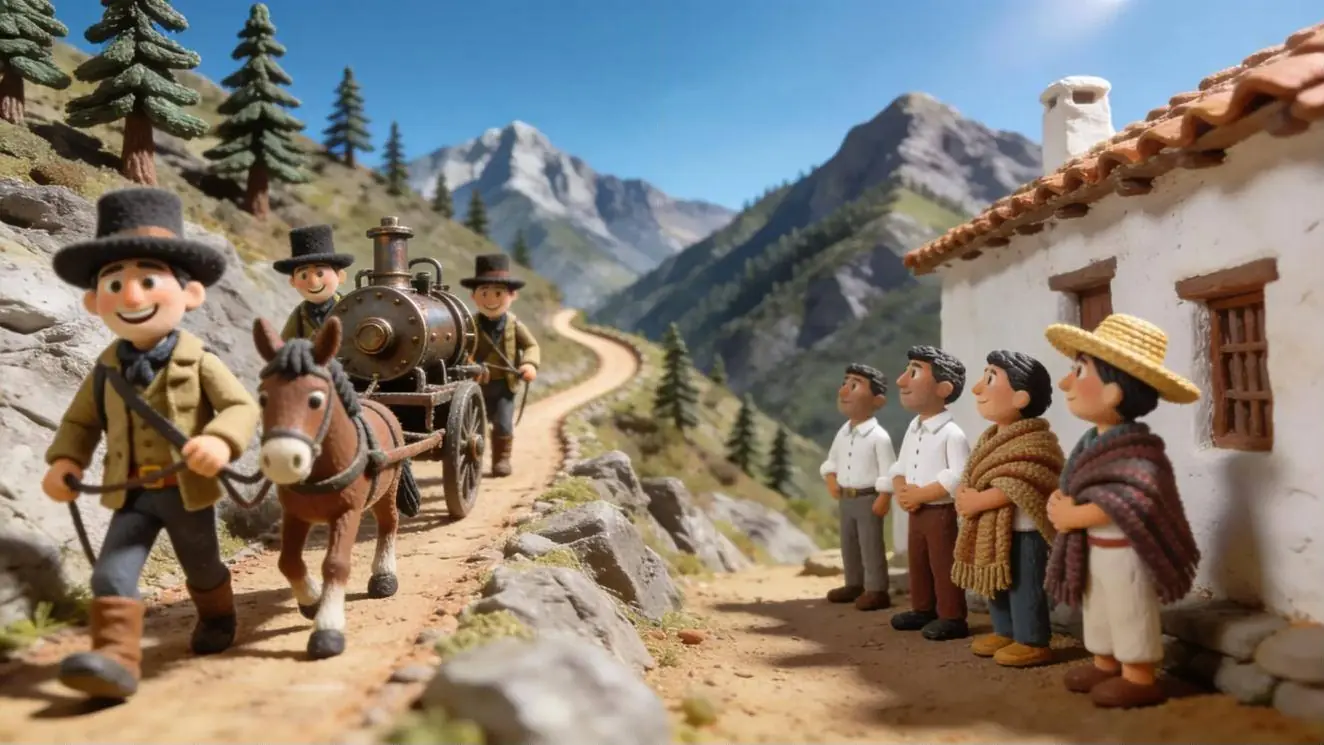
Some of the first went to Mexico. In 1825 Cornish miners reached the silver mines of Real del Monte, high in the mountains of Hidalgo. They dragged their steam engines inland from the coast with donkeys, through marsh and rainforest. The journey took more than a year. The engines changed the mines. The miners changed the town.
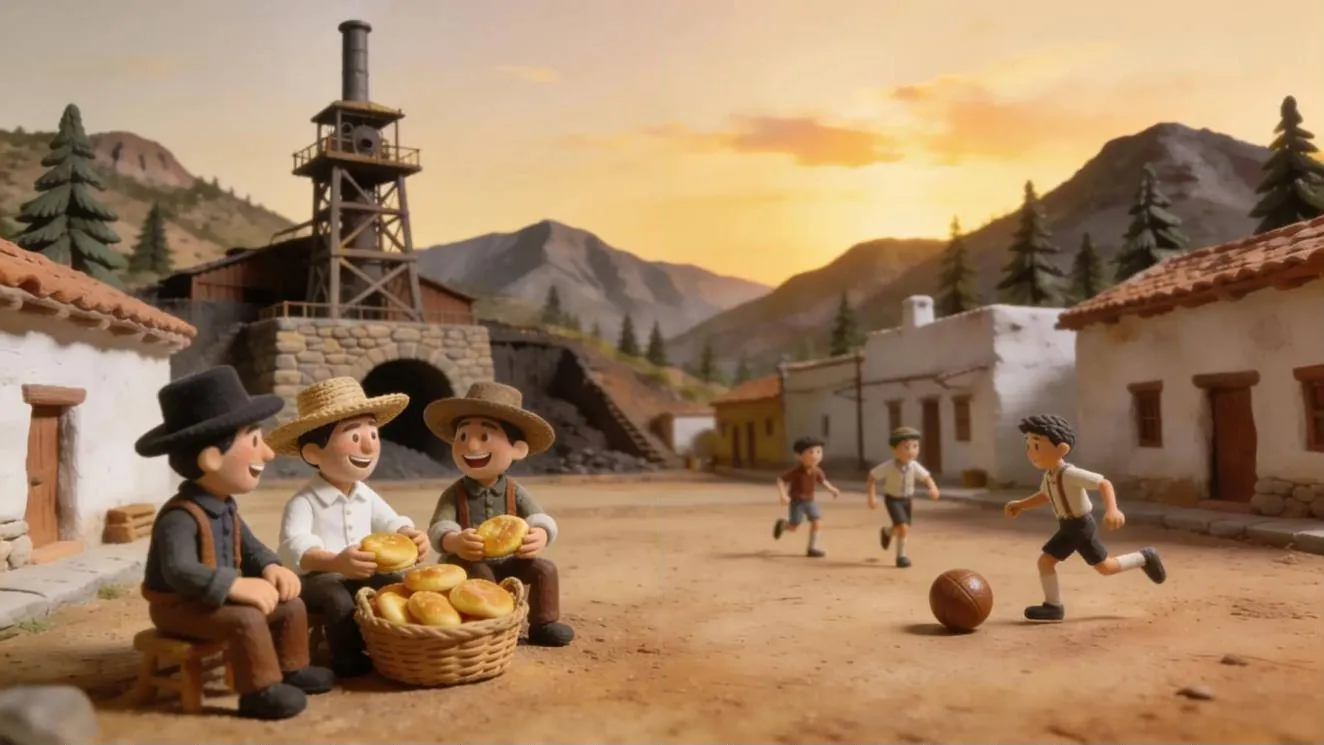
They brought their dinner too. Mexicans still eat the pasty today. They call it the paste, often with chilli inside. Real del Monte has around 30 paste makers, a paste museum and its own paste festival. In their spare time the miners kicked a ball about. In 1900 they played what is remembered as the first football match in Mexico, at Pachuca. The club that grew from those games, Pachuca, still plays today. Its fans call the team the Tuzos, the Gophers, a nod to the miners who dug beneath the town.
Above Real del Monte sits the English cemetery, the Panteón Inglés. Its 755 tombs all point the same way: towards home.
On the other side of the world, three South Australian towns, Moonta, Kadina and Wallaroo, became known as Little Cornwall. In the old copper country of Michigan you can still buy a pasty. Back in Cornwall, the engine houses still stand on the cliffs and moors. In 2006 the Cornwall and West Devon Mining Landscape became a UNESCO World Heritage Site.
A small corner of this island sent its miners out with their skills, their football and their dinner. Everywhere they went, they left a little Cornwall behind. Hardly anyone knows.
Why This Matters
The Cousin Jacks show that Britain's reach was not only soldiers and governors. It was also working families carrying a craft. Cornish miners took deep mining, steam pumping and hard-won know-how to four continents. They left behind towns, chapels, cemeteries, a football club plus a pastry still eaten from Hidalgo to Michigan. Theirs is a story of ordinary people making their way in the world with skill rather than power. The engine houses on the Cornish coast are their monument at home. The paste shops of Mexico are their monument abroad.
Key Facts
- ✓Around 250,000 Cornish people emigrated between 1841 and 1901 (Wikipedia, Cornish diaspora)
- ✓Moonta, Kadina and Wallaroo in South Australia are known as Australia's Little Cornwall (Wikipedia, Cornish diaspora)
- ✓Cornish crews dragged their steam engines overland to Real del Monte with donkeys, through marshes and rainforest, a journey of over a year (The Conversation)
- ✓Real del Monte held its first International Paste Festival in 2009 and opened a paste museum in 2011 (Wikipedia, Mineral del Monte)
- ✓The Cornwall and West Devon Mining Landscape was inscribed as a UNESCO World Heritage Site in 2006 (Historic England)
- ⚠Pachuca's founding date is disputed. The club gives 1892; other accounts tie it to the miners' first recorded match in 1900. The story avoids giving a founding year.