The Full Story
They call the English a mongrel people. The science says something better. In 2015 a team from Oxford, UCL and Melbourne published the first fine-scale genetic map of the British Isles. They tested 2,039 people whose four grandparents had all been born within 80 kilometres, about 50 miles, of each other. That rule turned the clock back. The map they drew was a snapshot of these islands in the late nineteenth century.
The DNA sorted itself into 17 groups. Strikingly, the groups lined up with the map. Orkney stood furthest apart. Wales split into north and south. Cornwall and Devon divided almost exactly along the county boundary. There was no single Celtic group at all.
Then came the surprise. Most of eastern, central and southern England formed one large group, relatively uniform across a huge stretch of country. It was the biggest single group on the map. Where other regions broke into many pieces, this one held together.
In 2022 a second team went to the graves. They read the ancient DNA of 460 people from early medieval north-western Europe, 278 of them buried in England. What they found was not a wholesale replacement. It was a joining.
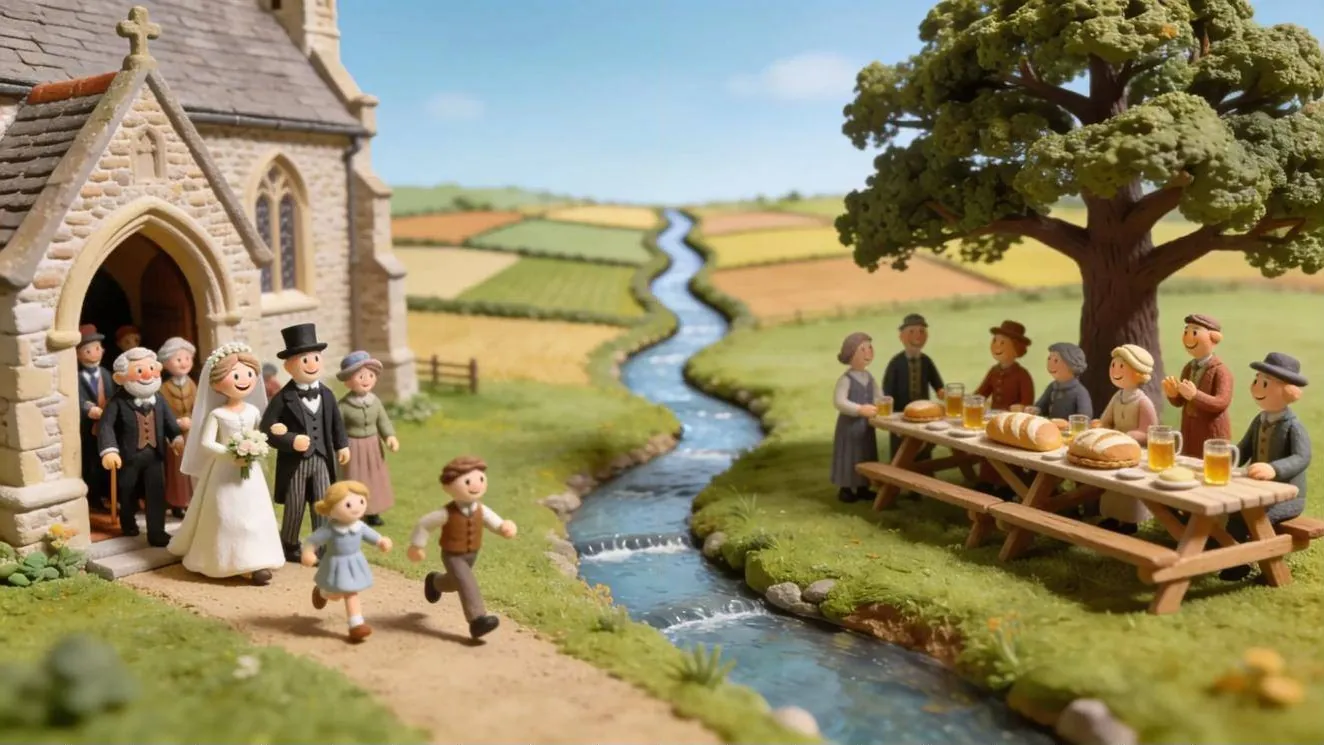
The first stream was the Britons, here long before Rome. The second came across the North Sea after Rome left, from people closely related to those of Germany and Denmark. In eastern England some individuals owed up to three quarters of their ancestry to them. Women came too, not just war bands. At Buckland near Dover, scientists traced one family across at least four generations as it married into the people already living there. A third stream came later from across the Channel, linked most closely to ancestry from France. Whether it arrived with the Normans or over centuries of crossings is still an open question.
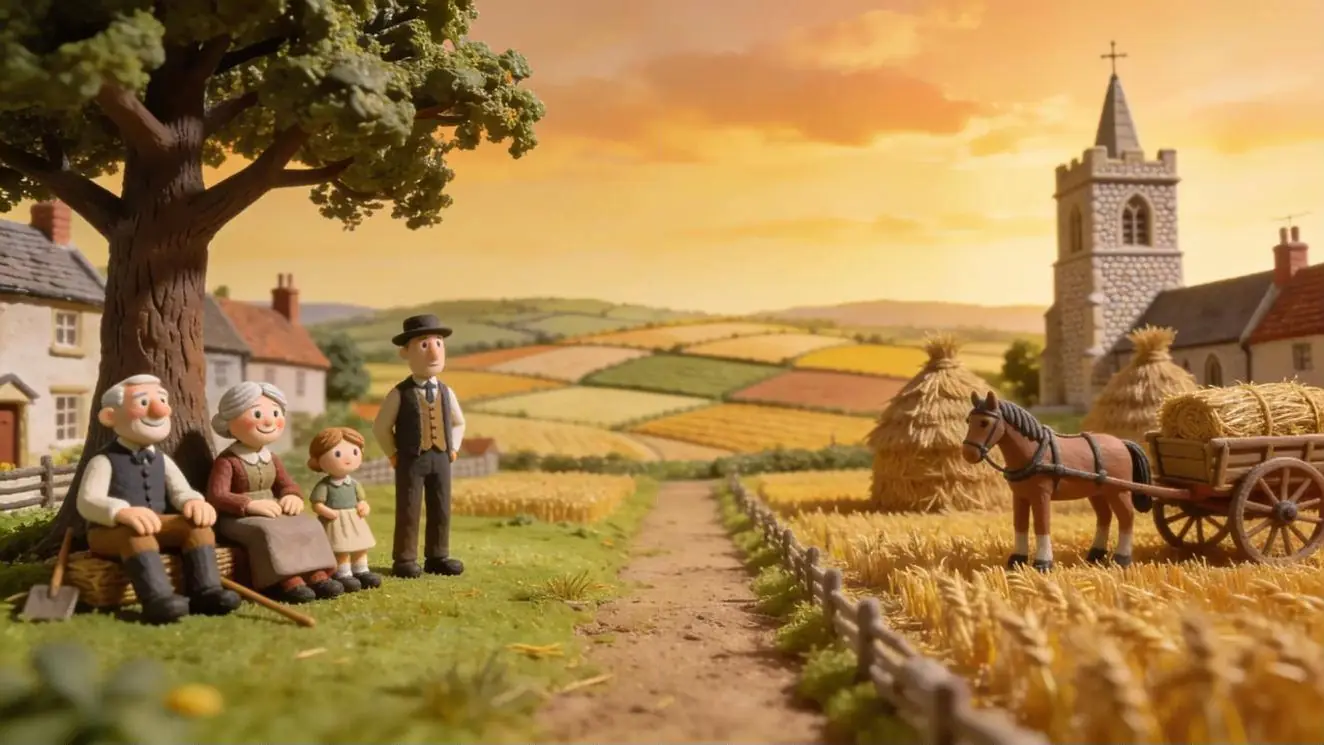
Three streams. One river. That is not a mongrel. A mongrel is a mix nobody meant. This is closer to a recipe: a few ingredients, plus centuries to set.
A lineage is not a wall. It is a line: people who kept the same places and the same ways, then handed them on. The Normans joined it. Huguenot families fleeing France joined it. Anyone can. The price of joining is keeping it.
Every people on earth is a mixture of some kind. What makes a people is what the mixture becomes. In England it became one recognisable people across most of the country, still visible on the genetic map more than a thousand years later.
Why This Matters
People are often told the English are nothing but a jumble. The genetics tells a fuller story. Two landmark studies show the Britons and the families who crossed the North Sea joining together, then newcomers from across the Channel adding to them, until one recognisable people settled across much of England. Science does not decide who belongs. Customs, places and loyalty do. That is why a lineage can be joined. What the studies show is that the line is real, old and still here.
Key Facts
- ✓The People of the British Isles study tested 2,039 people whose four grandparents were all born within 80 km of each other (Wellcome Trust)
- ✓The study found 17 genetic clusters across the UK and no single 'Celtic' group (Wellcome Trust; Nature)
- ✓Most of eastern, central and southern England formed a single, relatively homogeneous genetic group (UCL)
- ✓Gretzinger et al. analysed ancient DNA from 460 medieval north-western Europeans, 278 of them from England (PubMed)
- ✓Some individuals in eastern England derived up to 76% of their ancestry from the continental North Sea zone (PubMed)
- ✓Later ancestry linked to France is present, but whether it came with the Normans or through centuries of Channel crossings is unresolved (ScienceDaily)