The Full Story
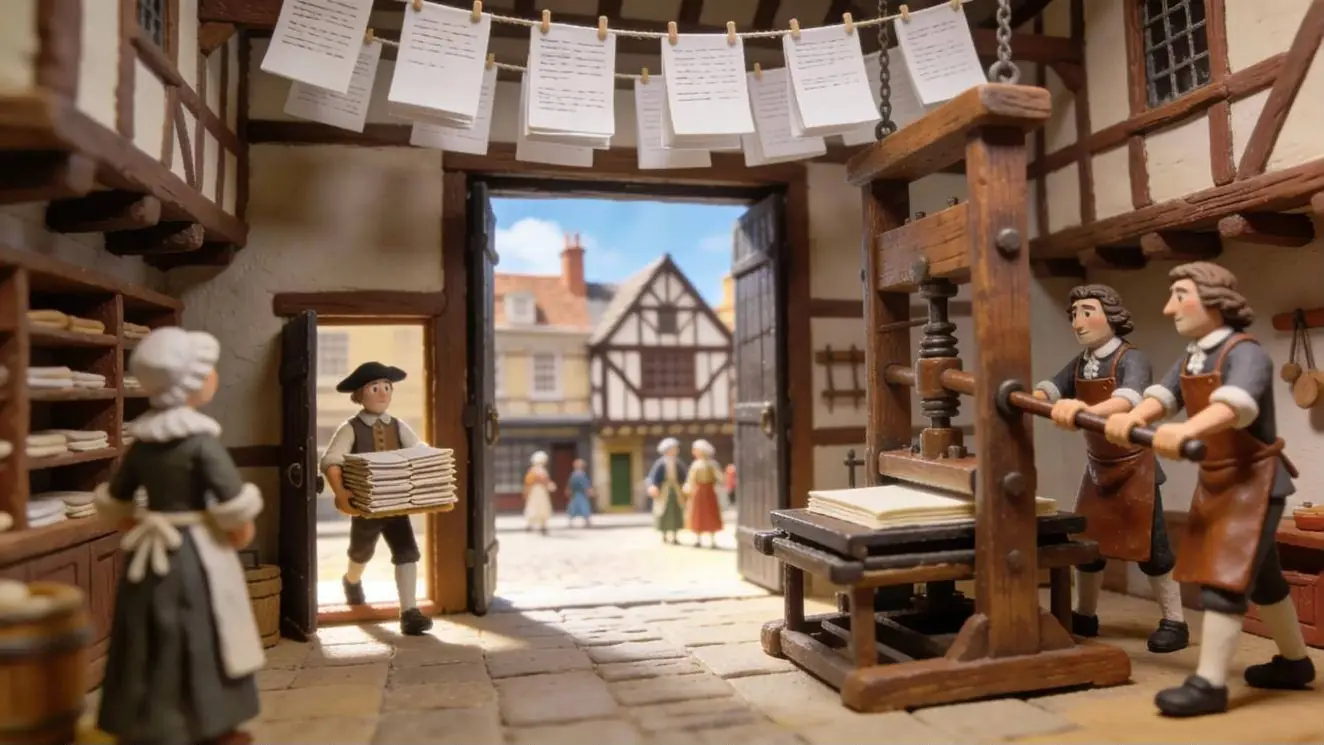
For most of the seventeenth century, nothing could legally be printed in England without permission. Under the Licensing of the Press Act of 1662, books and pamphlets had to be licensed before they were printed. The trade was squeezed into a monopoly largely confined to London, with only 21 printing houses allowed.
The Act had to be renewed every few years. In 1695 the House of Commons looked at it again. They did not suddenly fall in love with liberty. They looked at how the law actually worked.
What they found was a mess. The Company of Stationers held the sole right to print most of the classic authors. Scholars paid what the Commons called an extravagant price for badly printed, incorrect editions. The Act never said what a licenser could charge, so the Commons recorded that great oppression had been practised. Officers could search any house in the land, by day or night, on a warrant.
On 11 February 1695 the Commons refused to renew the Act. When the Lords tried to bring it back, the Commons answered with 17 written reasons why not. In April the Lords gave way. In May the law expired.
Licensing before printing simply stopped. Writers could still be prosecuted afterwards for what they published. Many were. But nobody had to ask first. About a dozen attempts to bring back press regulation followed over the next decade. None restored the licenser.
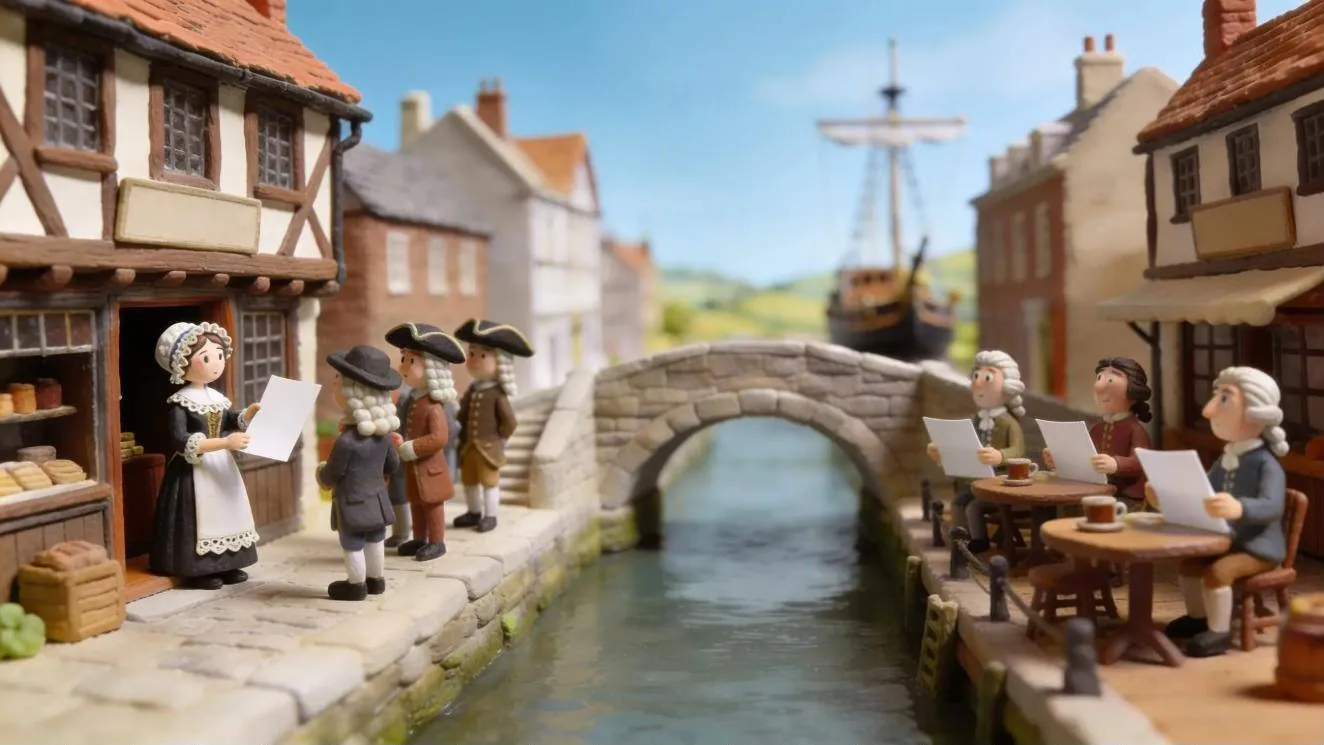
Within seven years, on 11 March 1702, Elizabeth Mallet published the Daily Courant from premises by Fleet Bridge in London. It was Britain's first daily newspaper. She promised the news without comment, trusting readers to have "sense enough to make reflections for themselves".
France proclaimed press freedom in 1789, nearly a century later. Its hold there proved fragile. By 1881 the French press was still bound by 42 laws passed over 75 years, until a single new law swept them away.
England's freedom came almost by accident, from a Parliament more worried about monopolies and prices than principles. It stuck anyway. Every newspaper and pamphlet that never asked permission walked through that open door.
Why This Matters
Most people know Magna Carta. Few know why their morning paper never needed a government licence before it was printed. The answer is a quiet vote in 1695, when the Commons refused to renew a law that let licensers decide what could be printed. Prosecutions after publication carried on for generations. But the principle that you do not ask first took root in England early. Every free paper, every pamphlet and every independent channel today lives in the space that vote opened.
Key Facts
- ✓The Licensing of the Press Act 1662 confined printing to a monopoly with only 21 licensed printing houses (Gonville and Caius College)
- ✓The Commons rejected renewal on 11 February 1695 and the Act expired in May 1695 (Primary Sources on Copyright)
- ✓The Commons' 17 reasons cited the Stationers' monopoly, extravagant prices, incorrect editions and unregulated licensing charges (House of Commons Journal)
- ✓The Daily Courant, Britain's first daily newspaper, first appeared on 11 March 1702 (Wikipedia)
- ✓Post-publication prosecution continued after licensing ended (Gonville and Caius College)
- ⚠France declared press freedom in 1789 but its lasting press law came only in 1881, so 'another 100 years' is a simplification