The Full Story
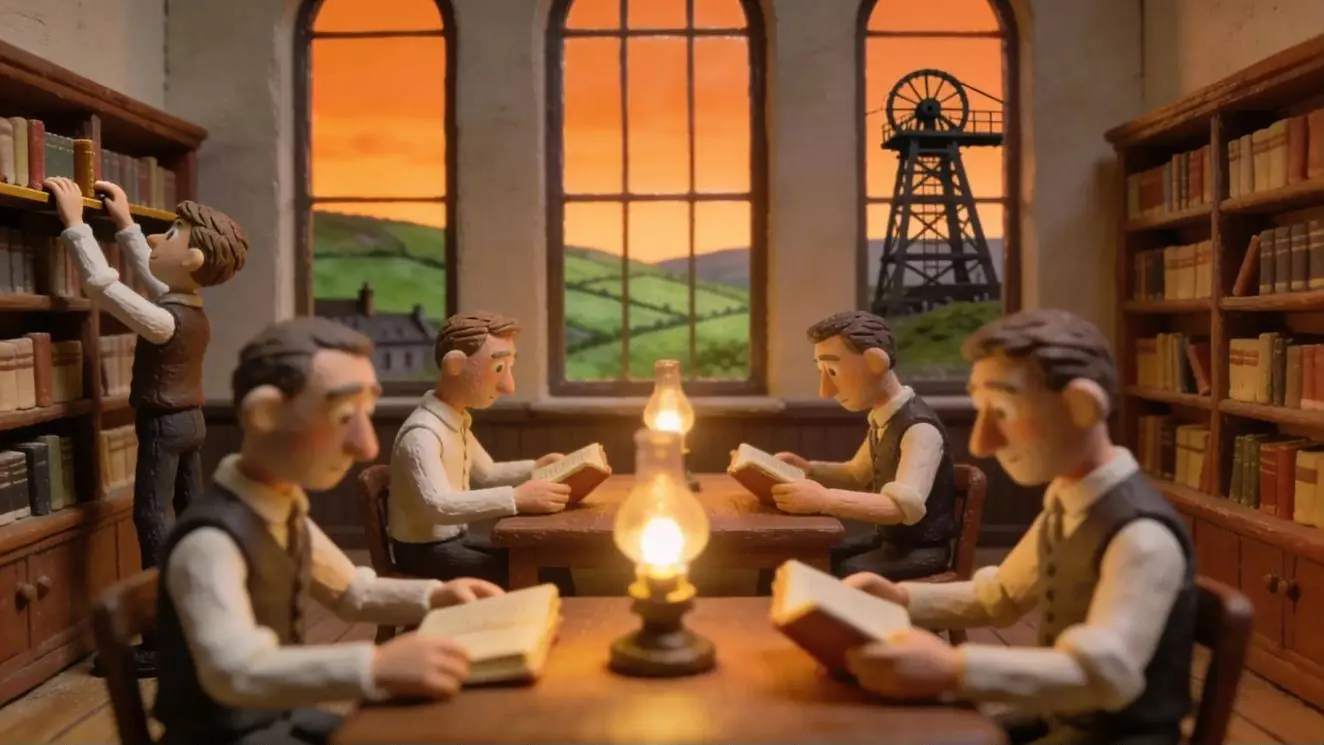
In the coalfield of South Wales, the men who cut the coal built something nobody had asked them to build. They built libraries.
The money came from them. Miners paid into their institutes out of their own wages, often a penny a week taken straight from their pay. Some coalowners helped. Later a national Miners' Welfare Fund helped too. But the institutes were the men's own, with committees of working miners running the libraries and choosing the books.
By the 1930s there were more than 100 institutes across the South Wales coalfield. Each had its library and reading room. History, politics, philosophy, science and poetry sat on shelves filled by men who had been told none of it was for them. After a shift underground they came up, washed the coal from their hands and opened a book.
The greatest of them all was at Tredegar. Its library spent around £300 a year on books, with £60 of that set aside for philosophy alone. For a town of colliers that was a serious sum. Most of the money for those shelves came from the men who would sit and read them, long after a full shift underground had ended.
Aneurin Bevan grew up in Tredegar. He fought a severe stammer at school and left in 1910. In November 1911, the month he turned 14, he followed his father and brother underground at Ty-tryst Colliery. His real education happened in the Workmen's Institute library, where he read everything he could reach. He later chaired its library committee. Bevan credited the Tredegar library with his intellectual training.
He went on to become one of the founders of the welfare state. But he is the famous one. The real story is the thousands nobody remembers, the colliers who walked out of the pit and into a book night after night for generations.
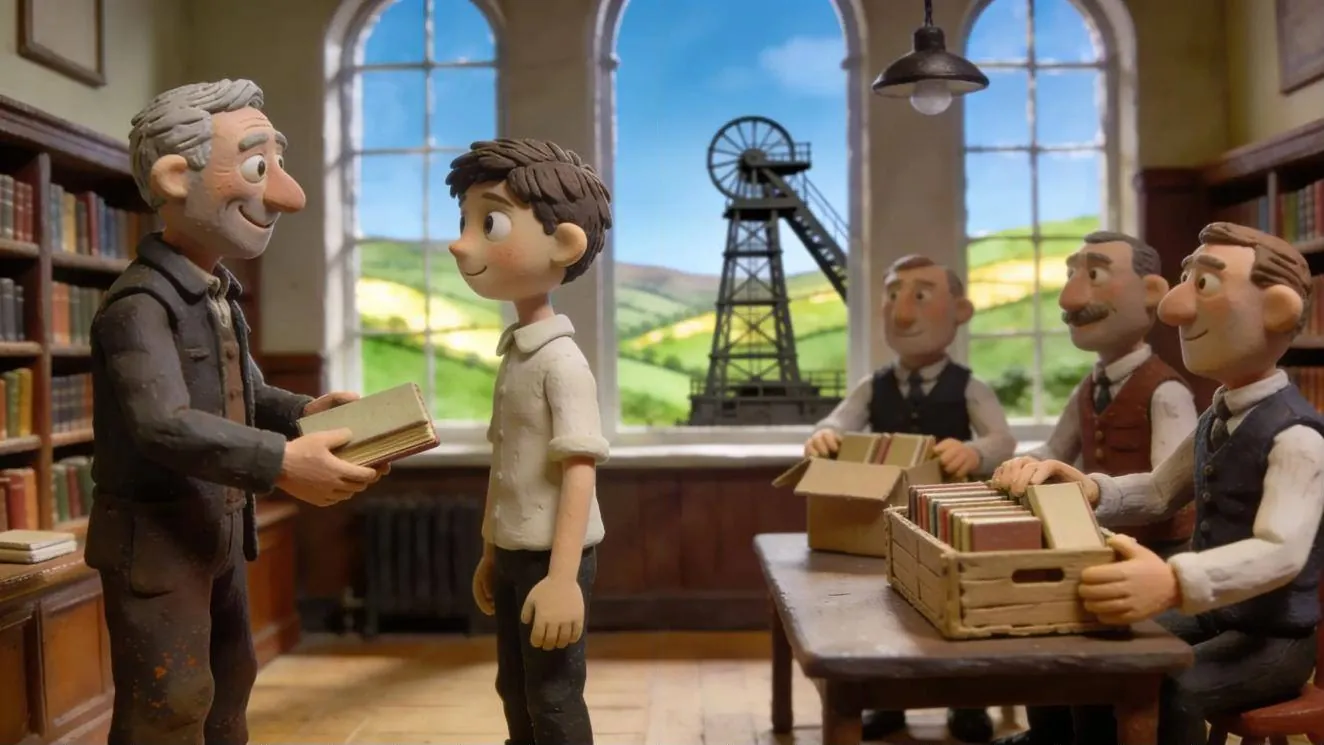
The pits have closed. The books survived. In October 1973 the South Wales Miners' Library opened at Swansea. Today it holds the libraries of more than 60 institutes and welfare halls from across the coalfield.
A room of miners decided the next lad down the pit would read. That inheritance is Welsh. It belongs to all of Britain too.
Why This Matters
We are often taught the mines as a story of hardship alone. The miners' institutes show the other side: working men pooling their own wages to build libraries, reading rooms and halls, then running them themselves. It shaped leaders like Aneurin Bevan. It also shaped thousands of ordinary lives that never reached the history books. The South Wales Miners' Library keeps their shelves alive, so the next generation can see what a community can build when it decides learning is for everyone.
Key Facts
- ✓By the 1930s there were over 100 miners' institutes in south Wales, funded by contributions from miners' wages (Glamorgan Archives)
- ✓A penny a week, usually deducted from wages, funded the miners' libraries (Society for the Study of Labour History)
- ✓Tredegar's library spent £300 a year on books, with £60 set aside for philosophy; Bevan chaired its library committee (Society for the Study of Labour History)
- ✓Bevan left Sirhowy elementary school in 1910 and began work underground in 1911 (Dictionary of Welsh Biography)
- ✓The South Wales Miners' Library opened in October 1973 and holds the libraries of over 60 institutes and welfare halls (Swansea University)
- ⚠The film's 'penny in the pound' levy could not be confirmed for the libraries; the sources found give a penny a week