The Full Story
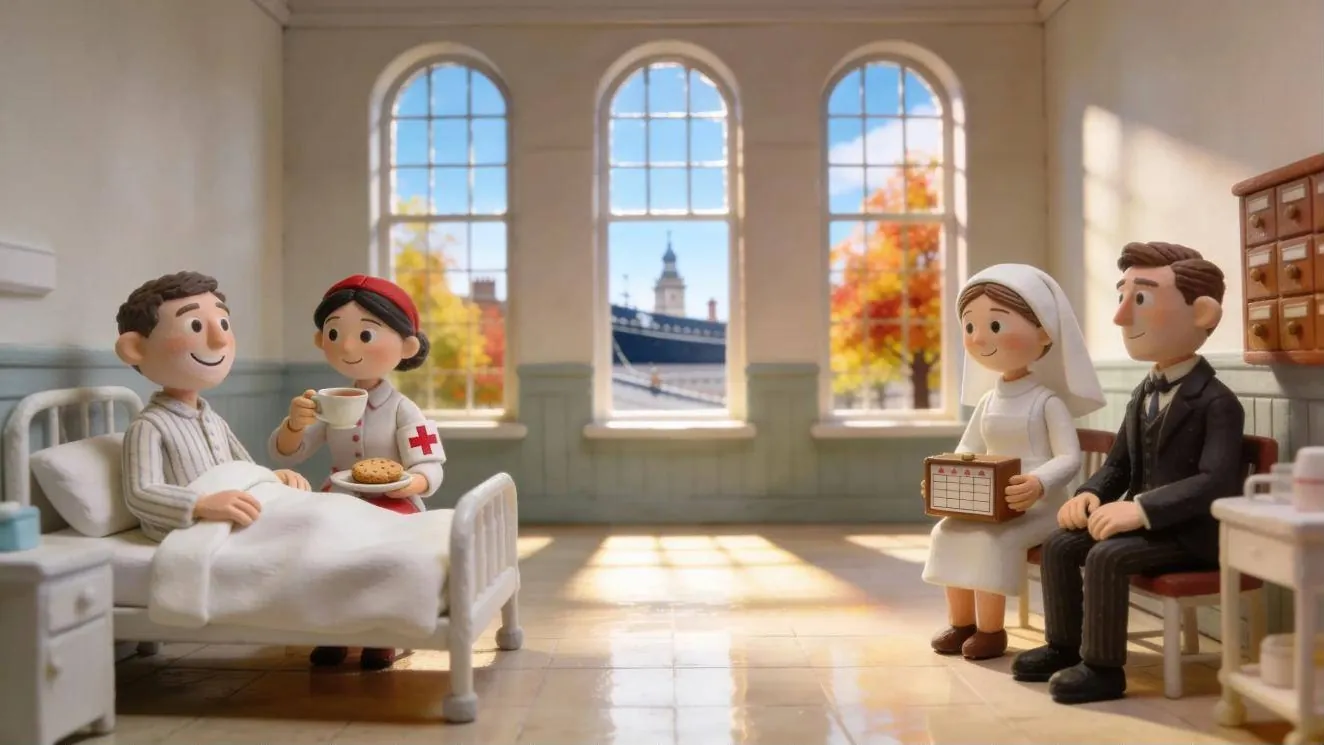
If you have ever needed blood, a stranger gave it to you. Someone you will never meet rolled up a sleeve for nothing more than a cup of tea and a biscuit.
It was not always like that. In the early 1920s a transfusion depended on luck. Blood had to be fresh, so a donor had to be found and brought to the bedside in time. Some donors were paid. Some patients simply had nobody.
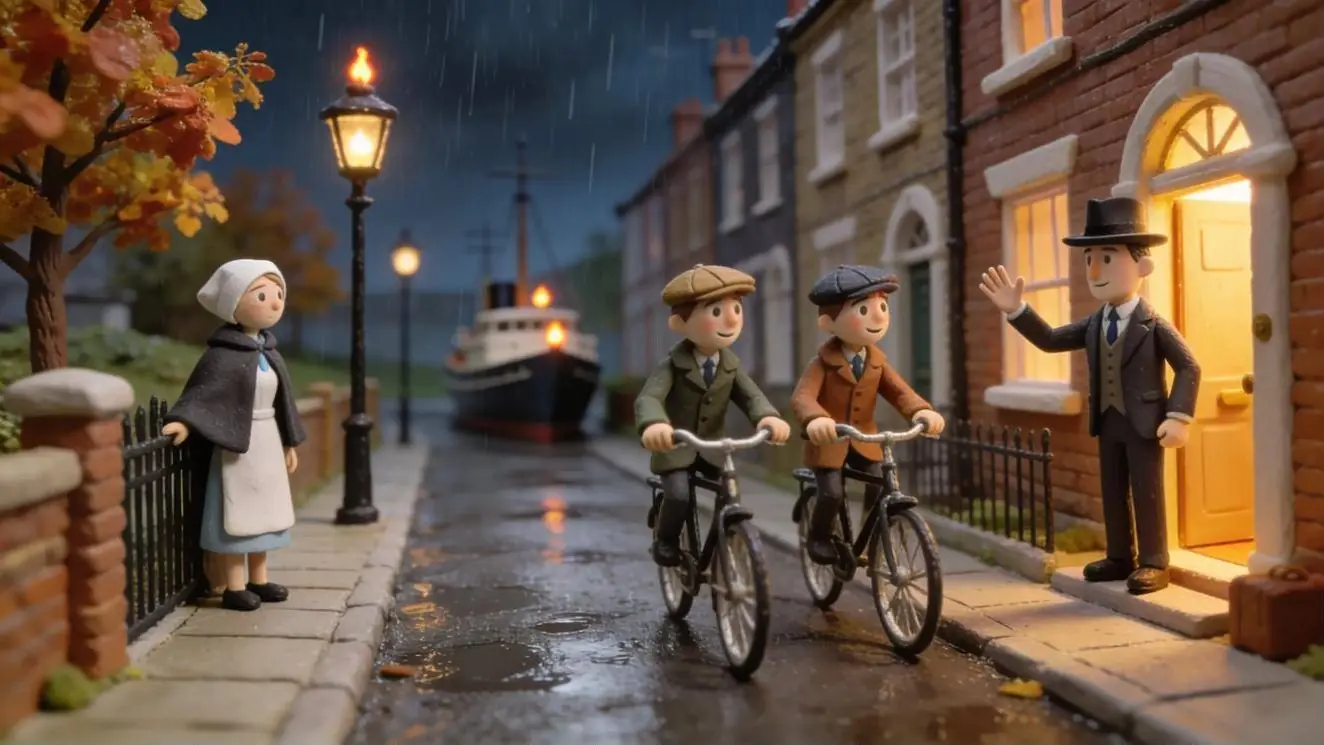
In October 1921 King's College Hospital at Denmark Hill rang the Camberwell Division of the British Red Cross. A seriously ill patient needed a donor, urgently. The request went to Percy Lane Oliver, the division's honorary secretary. By day he worked for Camberwell Borough Council. Oliver and three Red Cross colleagues went straight to the hospital. One of them, a Red Cross worker remembered as Sister Linstead, was a match. The transfusion worked. The patient lived.
Percy did not leave it there. With the help of his wife Ethel, he began a register of volunteers. Each one's health and blood group were checked by the hospital, then kept on record cards at the Olivers' home. Someone was always by the telephone. When a hospital rang, the Olivers found the right person. Somewhere in London a stranger would get up, cross the city and give blood to someone they would never meet.
No donor was paid. No hospital was charged. Oliver insisted his volunteers came from every class of the community. In the first year the panel had four members and one call. By 1926 it had more than 400 donors. By 1938 it had around 2,700.
In 1926 the British Red Cross took responsibility for the service, naming it the British Red Cross Blood Transfusion Service. By 1939 more than 50 donor panels were running across the country. Representatives from many countries came to Oliver for advice on setting up their own. In the Second World War the government built an emergency transfusion service, which became the national service that runs today.
Percy Oliver died in 1944. A plaque on his former home, at 5 Colyton Road in Peckham Rye, calls him the founder of the first voluntary blood donor service. The deal he made has never really changed. Since the NHS began, its blood has come from volunteers who ask for nothing but a cup of tea and a biscuit.
It is the same spirit that runs out into a storm or answers the phone at three in the morning. Percy just wrote it down. If you have ever given blood, you are on Percy's list.
Why This Matters
Every unit of blood given in Britain today rests on a promise Percy and Ethel Oliver wrote down in 1921: ordinary people, on call, for nothing. It did not start as a government scheme. It started with a Red Cross volunteer in Camberwell, a box of record cards and a telephone at home. Hospitals across Britain copied it. Other countries asked for his advice. The voluntary principle he insisted on still holds. If you have ever given blood, you are part of a list that began in a south London house.
Key Facts
- ✓In October 1921 King's College Hospital asked Percy Lane Oliver, honorary secretary of the Camberwell Division of the British Red Cross, to find a donor for a seriously ill patient. A match was found and the patient survived (British Red Cross Museum and Archives)
- ✓Oliver set up the donor panel mainly with the help of his wife. Records were kept on cards at their home, which had continuous telephone cover (British Blood Transfusion Society)
- ✓No payment was made to or expected by donors. Hospitals were not charged for the service (British Blood Transfusion Society)
- ✓The British Red Cross took responsibility for the service in 1926. By 1939 more than 50 donor panels were operating across the country (British Red Cross Museum and Archives)
- ✓The 1979 plaque at 5 Colyton Road, Peckham Rye, reads 'Founder of the First Voluntary Blood Donor Service' (English Heritage)
- ⚠The film calls it the first service of its kind in the world. Sources credit Oliver with the first voluntary blood donor service but none we checked adds 'in the world'. Ethel Oliver's exact tasks are not recorded, only that she was his main helper.