The Full Story
Britain has one superpower. It isn't the navy. It's us. Again and again, when ordinary people have stood together, this country has changed.
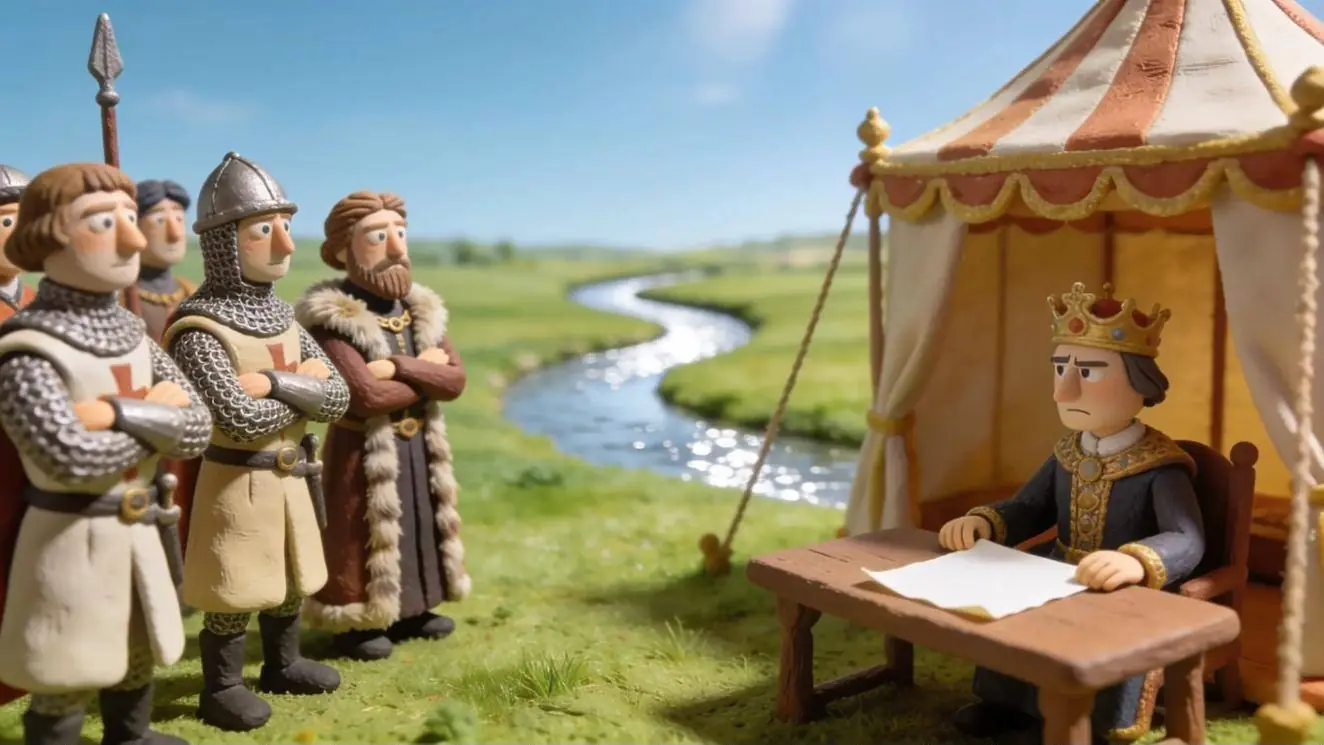
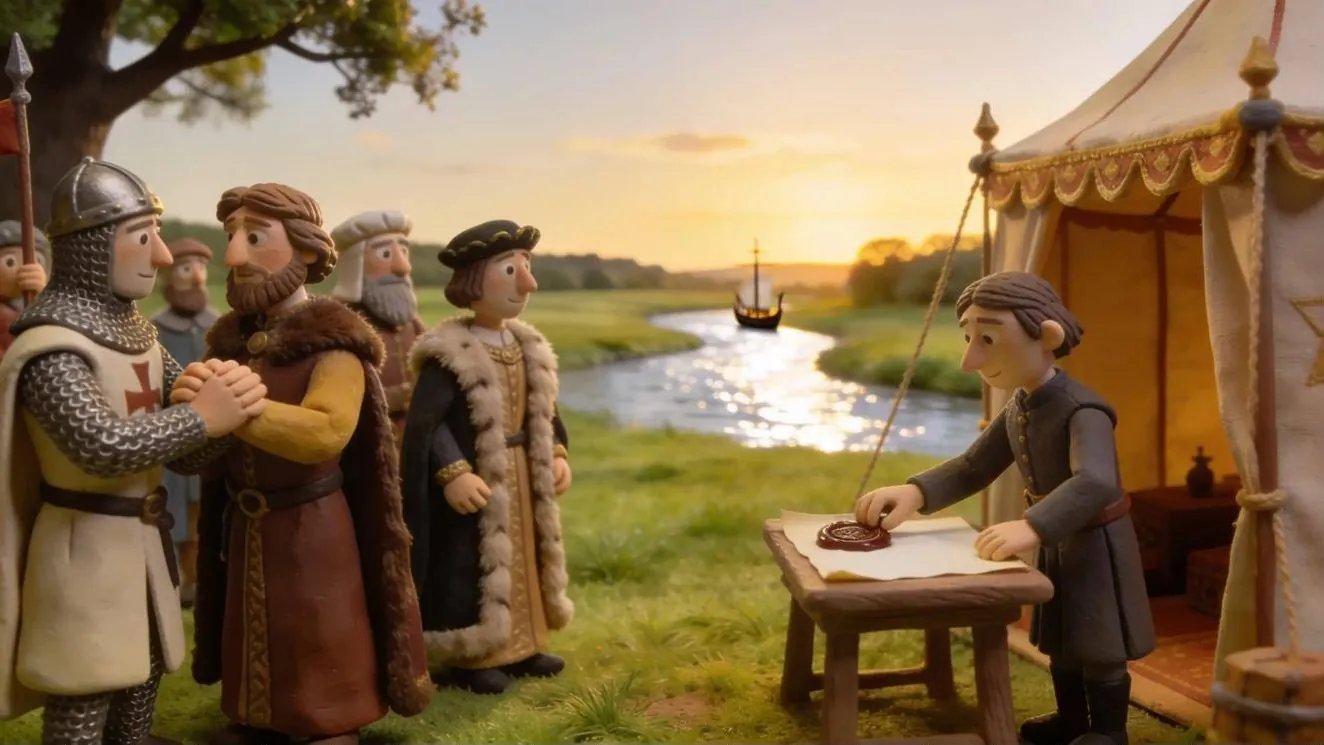
Runnymede, 1215. King John answered to no one. Then the rebel barons seized London, helped by leading London merchants who were tired of his taxes. It was the loss of London, above all, that forced John to negotiate. A few weeks later, in a meadow by the Thames, he agreed to Magna Carta. The king was no longer above the law.
1381. A poll tax drove the people of Essex and Kent to march on London. They were village officials, carpenters, weavers, labourers and townsfolk. The revolt was crushed. Its leaders were executed. The king's promises were torn up. But the poll tax was abandoned.
1688. The country turned against James II. William of Orange landed, support for the king melted away and James fled to France. In England there were only a couple of skirmishes. The Bill of Rights that followed put Parliament's consent above the Crown's will. Scotland and Ireland would see real fighting before it was settled.
1787 to 1833. Twelve people, nine of them Quakers, founded a society to end the slave trade. Hundreds of thousands of people gave up slave-grown sugar. Petition after petition reached Parliament. In 1833 one of them carried the names of 187,000 women. That year Parliament passed the Act abolishing slavery across most of the British Empire.
Tolpuddle, 1834. Six Dorset farm labourers were sentenced to seven years' transportation to Australia for swearing a secret oath to stand together. Around 800,000 people signed a petition for their release. Supporters marched through London. In 1836 the six were pardoned. In time, all of them came home. The Chartists took their petition for the vote to Parliament three times. Three times it was refused. They kept coming back. In 1889 around 100,000 London dockers and their supporters stopped the port for about five weeks. They won the dockers' tanner: sixpence an hour, with a minimum four-hour shift.
Dunkirk, 1940. The army was trapped on the beaches. More than 800 vessels of every shape and size crossed the Channel, hundreds of them little ships. With the Royal Navy's destroyers they carried about 338,000 Allied troops to safety, a third of them French.
1985. Bob Geldof from Ireland and Midge Ure from Scotland put on Live Aid for famine relief in Ethiopia. An estimated 1.9 billion people in 150 countries watched. In 2012 around 70,000 volunteer Games Makers helped run the London Olympics. In March 2020, when the NHS asked for help, 405,724 people signed up in a single day.
Again and again, the other side had the money, the guns or the crown. Again and again, ordinary people had each other. They did not always win on the day. Over the long run, standing together has a remarkable record.
Why This Matters
History is usually told through kings, generals and prime ministers. Many of Britain's biggest turning points came from crowds instead: townspeople, labourers, dockers, boat owners and volunteers. Some lost on the day and won years later. Others won at once. What links them is ordinary people choosing to act together when it would have been easier to stay at home. That habit has not gone anywhere. The 405,724 people who answered the NHS in a single day in 2020 proved it.
Key Facts
- ✓Rebel barons seized London on 17 May 1215 with help from leading London merchants. The loss of London, above all, forced King John into the negotiations at Runnymede (The Magna Carta Project)
- ✓After the 1381 revolt the poll tax was abandoned, though the revolt itself was crushed and its leaders executed (Wikipedia, Peasants' Revolt)
- ✓About 800,000 people signed for the Tolpuddle men's release. They were pardoned in March 1836 (Wikipedia, Tolpuddle Martyrs)
- ✓About 338,000 Allied troops, a third of them French, were evacuated from Dunkirk by over 800 vessels (Imperial War Museums)
- ✓405,724 people volunteered to help the NHS in one day in March 2020 (NHS England)
- ⚠Some of the film's rounded figures (marchers in 1381, the Dunkirk boats, Live Aid viewers and NHS sign-ups in a day) differ from the documented ones. This entry uses the documented figures from the Imperial War Museums, NHS England and other cited sources.